BONN SETS THE STAGE. COP31 WILL SET THE RULES.
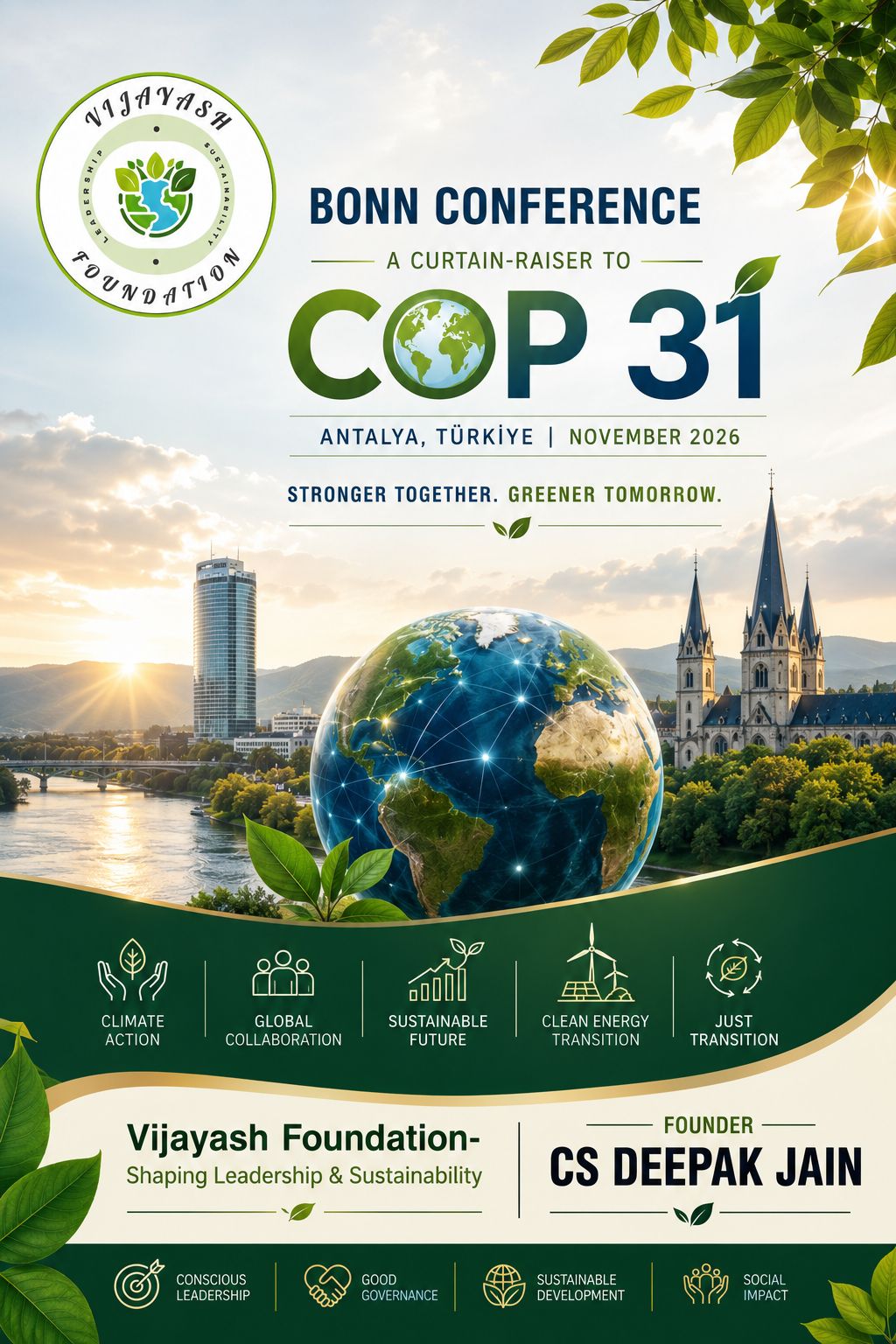
The mid-year UN climate talks (SB64) just wrapped up in Bonn, Germany — and they’re a preview of what’s coming at COP31 in Antalya, Türkiye this November.
Quick correction worth making: Bonn wasn’t COP31. It was the technical groundwork ahead of it. COP31 — where binding decisions actually get signed — is still months away.
Here’s what came out of Bonn
What went right → ~9,000 delegates from nearly 200 countries stayed engaged through 10 days of negotiations → Progress on a “just transition” mechanism to support workers through decarbonisation → Momentum on climate education & youth participation (Action for Climate Empowerment) → COP30’s Belém commitments stayed on the table for further work, not shelved
What stalled → No agreement on the Global Goal on Adaptation — the promised tripling of adaptation finance remains in brackets, unresolved → Climate finance & trade disputes deepened the developed vs. developing country divide → Several nations flagged “coordinated attacks” on climate science during talks → Rising geopolitical fragmentation is visibly crowding out climate priorities
Why does this matter beyond diplomacy?
Every unresolved line in a UN negotiating text eventually becomes a governance, disclosure and risk question for boardrooms. Climate finance gaps and just-transition commitments aren’t abstract — they’re the ESG agenda Indian organisations need to start pricing in today, well before COP31 makes them official.
“The gap between Bonn’s stalemates and COP31’s deadlines is exactly where responsible governance and conscious leadership need to do the work that politics hasn’t finished yet.” — CS Deepak Jain, Founder, Vijayash Foundation
As India works toward Viksit Bharat @2047 and its Net Zero commitments, Vijayash Foundation will keep tracking the road to COP31 — translating these global signals into governance practices Indian organisations can act on now.
Dr. Deepika Tiwari – General Manager, “Sustainability & Value Creation”